All Categories
Featured
Professional Agency Strategy to Unlock Profitability
Table of Contents
You've attempted repairing things. Pricing. Leads. Process. Individuals. That a person tool you swore would change whatever. Some of it assisted. The majority of it just provided you more tabs open. Not because you're bad at running a company. Due to the fact that you were repairing the wrong thing. When you're inside your firm every day, you can't see it clearly.
So you repair symptoms. Not the restriction. That's where the Company Traffic jam Blueprint is available in.
We're neglecting the solopreneur. The majority of firms aren't developed for them. Retainers are pricey, processes are heavy, and timelines presume a complete internal group on the customer side. If you're a solopreneur, you're the creator, the marketer, the operator, and the decision-maker. You might only be great at one thing.
I was advised of this recently when we dealt with a female solopreneur introducing her own beauty product. She 'd done the tough parts well. Her item was effectively developed, licensed, and checked. Quality wasn't the concern ... Self-confidence was. She didn't understand how to discuss her brand. She second-guessed every caption.
How Process Efficiency Transforms Marketing Business Margins
Marketing felt frustrating, not because she wasn't capable, but since she had no structure to lean on. Our function wasn't to take over her service. It was to support her so she might run it herself. We assisted her with 3 things: 1) A three-month material method anchored on a rejuvenated brand identity, so she understood what to state and why 2) Custom Canva design templates for social networks, developed to be simple and repeatable 3) A half-day, hands-on workshop with our Senior Designer to teach her how to modify and adapt the material individually 3 months later on, she released her brand with clearness and confidence.
[target2:anchor_exact1]She needed structure. This approach was more affordable for her and more empowering in the long run. It enhanced something I strongly believe in: Not every creator needs a firm forever. Some just require understanding, structure, and self-confidence so they can progress by themselves. If you're a solopreneur preparing to introduce, a few practical suggestions: - Don't start with material.
If you can't articulate what you stand for, material will always feel difficult. - Construct systems before volume. Design templates, frameworks, and repeatable formats matter more than posting every day. - Invest in knowing, not simply execution. In the early years, being able to do it yourself is frequently the finest long-lasting ROI.
How Process Efficiency Transforms Digital Business Margins
I'm curious to hear from other creators. What difficulties have you faced as a solopreneur when it concerns marketing your business? And how can firms like mine assistance you much better, without adding intricacy or cost?.
[target2:anchor_exact1]Should you incorporate particular AI systems to drive development? Is SEO, PAY PER CLICK, and Material Writing enough to power up your revenue margin? Identifying your high-potential blind spots, like poor attribution, low lead exposure, and disconnected tools, that are quietly stalling your development. Embracing AI the method high-growth companies do, utilizing automation for lead followup, reporting, call intelligence, and client interaction.
Strengthening customer retention with your own clear, sourcelevel data. Whether you're running SEO, managing pay per click, and paid social for numerous customers, or overseeing fullfunnel performance across lots of accounts, this bundle reveals you how top firms improve reporting, tighten attribution, and show ROI, without including more manual work. Get the tools you require to scale smarter, prove worth faster, and run like a highgrowth marketing, SEO, or pay per click agency.
Smart Scaling Blueprint 2026. All Rights Scheduled. Sitemap
In a recent LinkedIn post, Neil Patel describes a strategic method for entrepreneurs seeking to launch a brand-new company in 2026, stressing effectiveness and outcome-focused sales. Patel, a popular figure in digital marketing, shares his individual playbook for beginning lean and taking full advantage of preliminary impact. He starts by detailing his first important relocation: combining tools.
How Strategic Leadership Accelerates Business Success
He states: "Very first move, I'm not buying 10 tools. As Neil Patel keeps in mind, this combination isn't just about expense savings but about functional efficiency and smarter monetary management, contrasting the cost of multiple subscriptions with a more structured, budget friendly single solution.
He highlights the crucial role of speed in lead conversion, arguing that sluggish response times are a main factor for lost chances. "Most leads that die, they die from sluggish action, not a bad item," Patel composes. He emphasizes leveraging AI to make sure immediate engagement with prospective customers. "So I switch on AI that texts a lead back in seconds, not the next early morning.

Latest Posts
Tracking Business ROI Reports

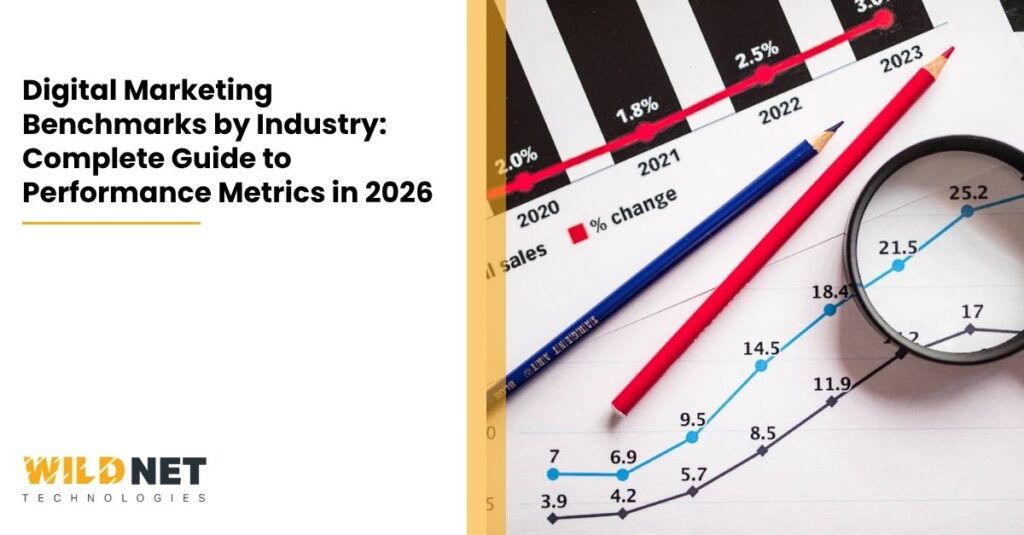
Strategic Advertising Benchmarks Based From Domestic Data
Standardizing Sector-Specific Efficiency Standards