All Categories
Featured

Data-Backed Business Solutions for Success
From benchmarking product features and pricing to translating marketing tactics and customer belief, we'll show you how competitive research surpasses guessworkdriving growth, significance, and market fit. If you're severe about market intelligence, it begins here. Before you can outshine the competitors, you require to know precisely who you're up against.
[target1:anchor_exact1]This process involves more than just noting comparable companiesit needs understanding the competitive dynamics of your category, including both direct and indirect risks. deal comparable items or services and target the same consumer base. Consider Nike and Adidas, both vying for the exact same audience of professional athletes and lifestyle consumers with almost identical line of product.
Indirect rivals often go unnoticed, yet they can take share through convenience, rates, or disruption. To conduct efficient competitive research study, start by mapping the landscape.
Tag each competitor based on distance to your offering and influence in the market. This will help you prioritize analysis efforts and allocate strategic focus.
Do not stop at naming your competitors. Start examining rivals in depth: their pricing designs, product functions, brand name voice, marketing channels, and audience engagement strategies. This isn't almost viewing what they doit's about learning how they believe and how they win. As Harvard Organization Evaluation once noted, "It's not enough to know who your rivals are.
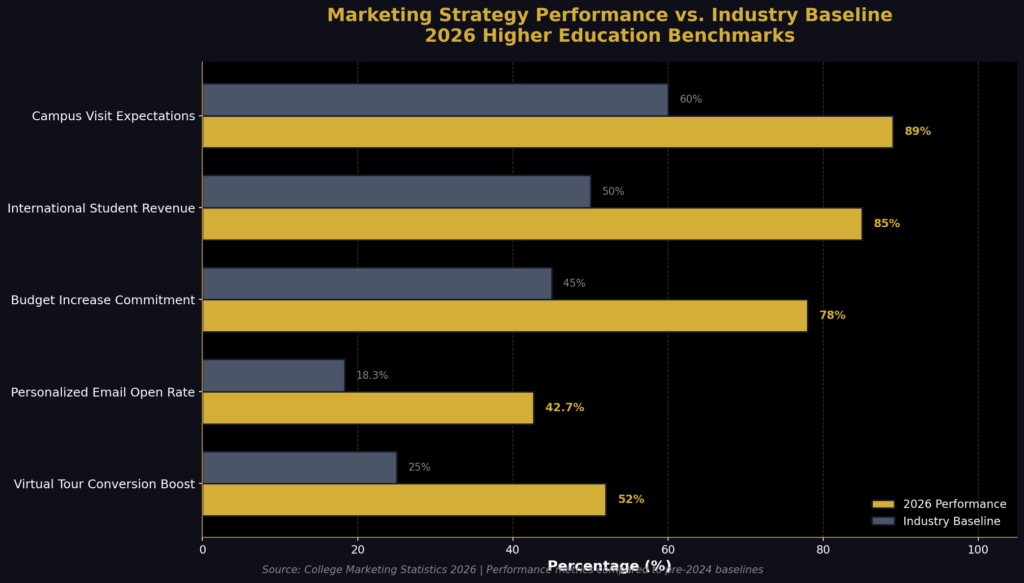
[target2:anchor_exact1]2026 Marketing Trends for US Brands
When you have actually identified the essential gamers in your market, the next step in competitive analysis is to analyze how those rivals run. Comprehending their market strategies, product offerings, and overall positioning allows you to evaluate your own brand name in context. This is the core of competitive market researchand it goes beyond merely enjoying what others are doing.
Are their item or service pages clear and compelling? What prices models do they utilize? Take note of how frequently they publish, what kind of material they share, and whether customers are engaging.
To take your rival market analysis even more, immerse yourself in the experience they offer. If suitable, buy their item or sign up for their service. This offers you insight not simply into what they offer, however how they onboard, support, and maintain customers. This sort of competitive shopping analysis is especially reliable in durable goods, retail, and subscription-based models.
Strengths might include brand name commitment or ingenious functions, while weak points could be inconsistent service or limited item variety. This workout assists you pinpoint where the marketplace is underserved and where your business can stand out. For instance, if you run a software start-up and your main rival provides a more robust function set but needs a high subscription cost, you may place your product as a more accessible, streamlined alternative.
It's also crucial to determine what phase of maturity each rival is in. Are they well-established brands with steady market share or nimble newbies disrupting the space with aggressive pricing or special offerings? The type of risk each presents needs a different response. Eventually, analyzing the competition isn't about copying what others are doing.
Defining Market Performance Targets
Companies that master competitor analysis aren't just reactingthey're placing themselves to lead. When you have actually collected insights from your rival research, the next step is to examine where your brand name stands in comparison. This internal reflection is important to understanding not just how you stack up against the competitors, but what distinct worth you offer in the more comprehensive competitive landscape.
Identify your strengths: Do you have a loyal consumer base? A trademarked procedure? A quicker delivery time? Then, look at your weak points: Are your price points too expensive? Is your product variety limited? Exist gaps in customer service or digital experience? Mapping out your opportunities and threats completes the image and enables you to construct a more reasonable and grounded market technique.
Turn to your clients. What are they stating in reviews, surveys, and support tickets? What themes emerge on social networks or in app shop feedback? Favorable remarks can reaffirm your brand strengths, but more importantly, criticism can discover blind spots. Customer perception is a crucial part of competitive market analysisespecially when you're trying to out-position other brands in a crowded field.

Latest Posts

Tracking Business ROI Reports

Strategic Advertising Benchmarks Based From Domestic Data

Standardizing Sector-Specific Efficiency Standards